In insulating glass (IGU) manufacturing, internal condensation and fogging represent the most critical quality failure. Fabricators often ask: "Why does double glazing fog up after 1–2 months despite filling molecular sieve desiccants? Is it due to defective molecular sieves or secondary/primary sealant failure?" As a dedicated IGU accessories manufacturer, Ji'an Insulating Glass (affiliated with the Ji'an Screen Mesh System) breaks down the 3 core failure factors behind moisture penetration.
1. The Fundamental Mechanism of IGU Internal Fogging
Internal fogging occurs when the primary or secondary sealing systems fail, allowing moisture vapor penetration to exceed the adsorption capacity of the molecular sieve. Three critical components determine seal longevity:
| Component | Standard Function | Failure Risk & Root Cause |
|---|---|---|
| 1. Secondary Sealant (Silicone Structural Seal) | Structural bonding; blocks liquid water droplets | Silicone has a microporous structure and cannot stop gas-phase water vapor. If mineral oil (white oil) is added to substandard silicone, it chemically dissolves the primary PIB butyl sealant. |
| 2. Primary Sealant (PIB Butyl Sealant) | Core water vapor barrier; standard application thickness ≥ 3 mm | Many fabricators apply only ≤ 2 mm or omit it entirely. Uneven extrusion causes discontinuities during press lamination, allowing vapor to penetrate rapidly. |
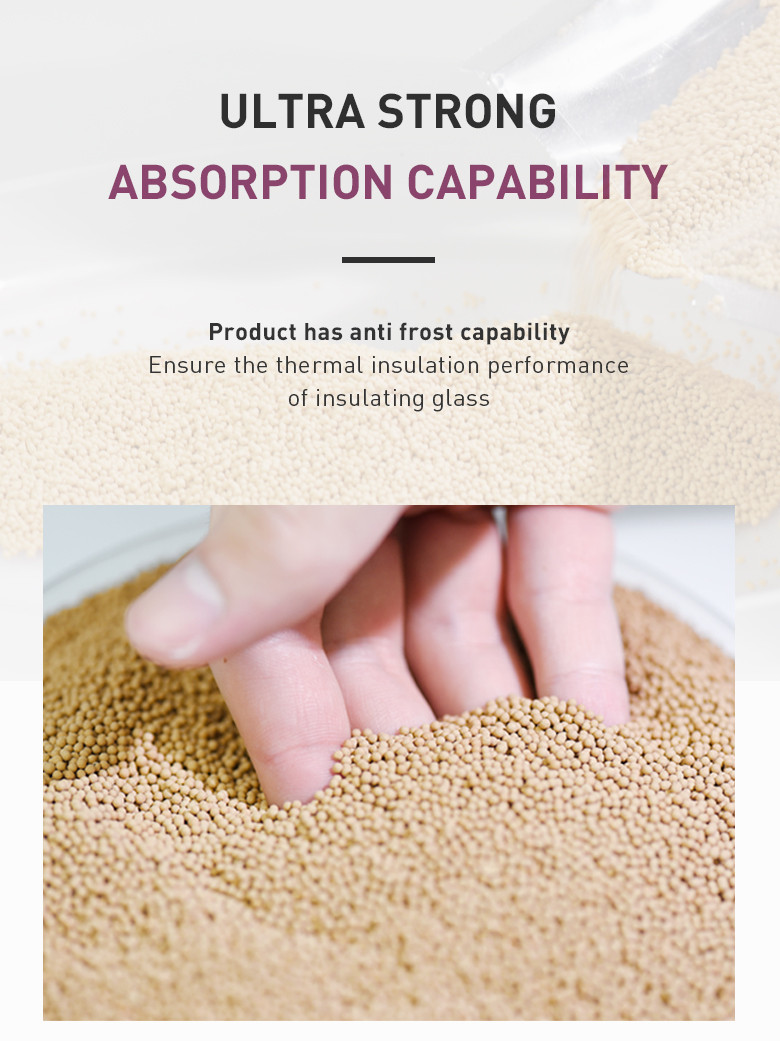
| 3. Desiccant (3A Molecular Sieve) | Final defense; Standard 3A molecular sieve static water adsorption ≥ 16% | Over 80% of low-cost units use Grade-B desiccants (10–11% adsorption capacity). Insufficient molecular sieve filling quickly leads to saturation when sealant barriers leak. |
2. Process & Sourcing Recommendations by Ji'an Insulating Glass
Enforce Continuous Butyl Application: Never omit the PIB butyl primary seal; maintain standard thickness to prevent press lamination discontinuities.
Eliminate Mineral Oil from Silicone: Ensure secondary silicone sealants are certified 100% white-oil-free to avoid chemical dissolution of the butyl barrier.
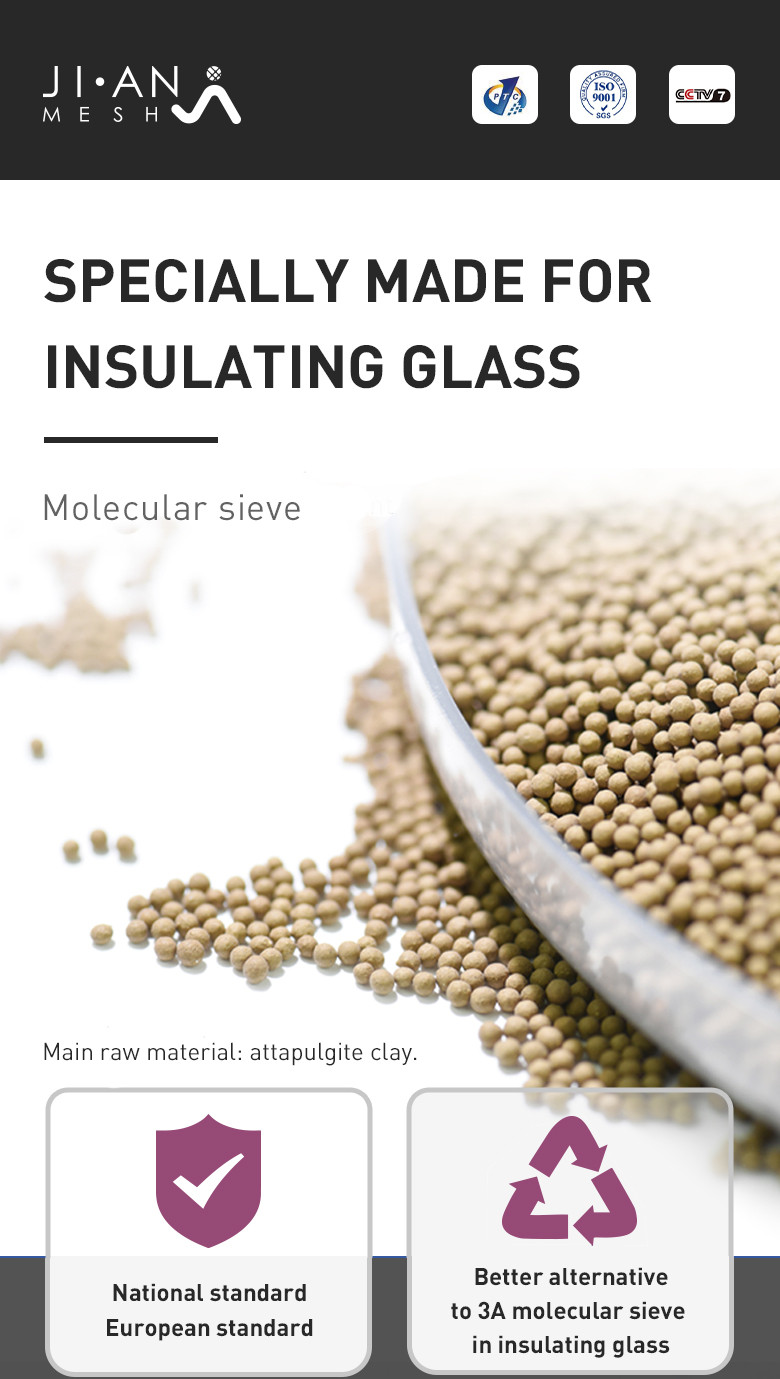
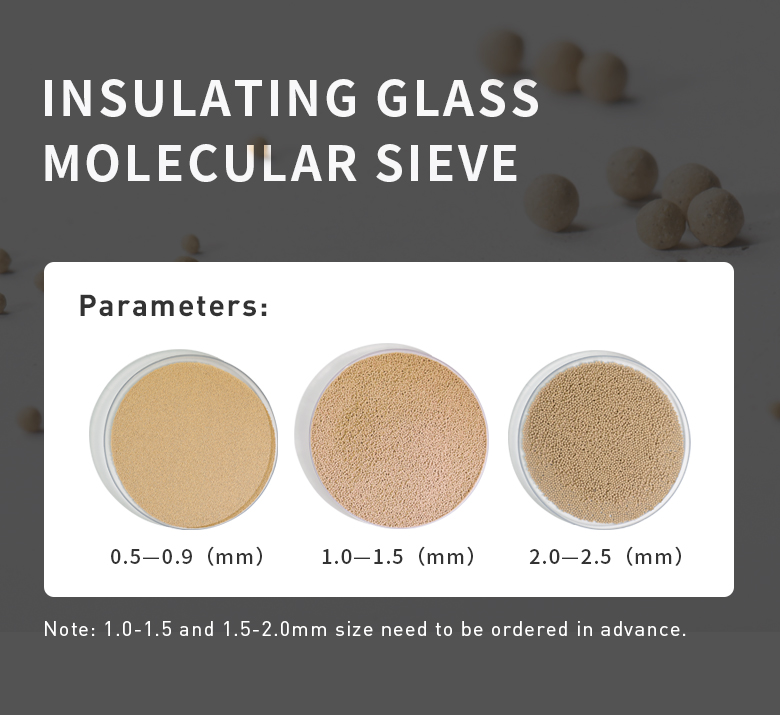
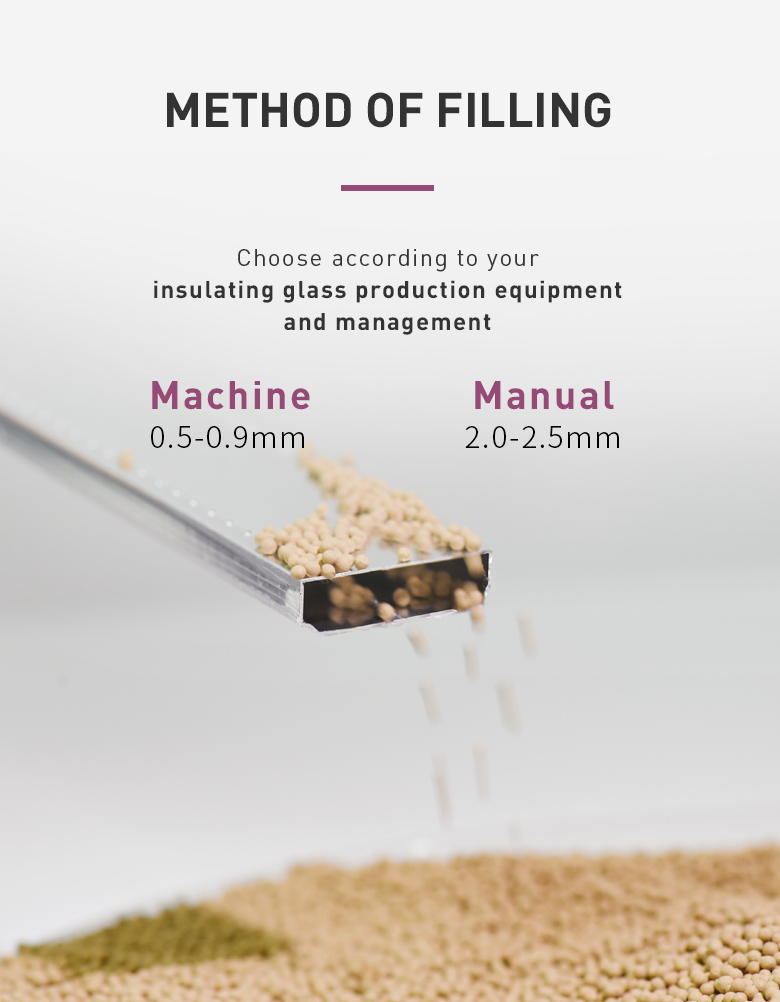
Fill Standard 3A Molecular Sieve Desiccant: Source certified 3A molecular sieves from verified suppliers like Ji'an Insulating Glass to guarantee maximum moisture adsorption capacity.
3. FAQ: Troubleshooting IGU Moisture Penetration
Q: Does internal glass fogging always mean the molecular sieve is defective?
A: No. Molecular sieves act as the final moisture absorption reserve. If the primary butyl seal is omitted or silicone containing white oil dissolves the barrier, massive moisture influx will rapidly overwhelm even authentic 3A molecular sieves.
Q: Where can fabricators source fully compatible insulating glass accessories?
A: Ji'an Insulating Glass provides fully integrated accessory systems including aluminum spacer bars, certified 3A molecular sieves, and PIB butyl/silicone sealants.